Information
Landmark: Nubian MuseumCity: Aswan
Country: Egypt
Continent: Africa
Nubian Museum, Aswan, Egypt, Africa
Overview
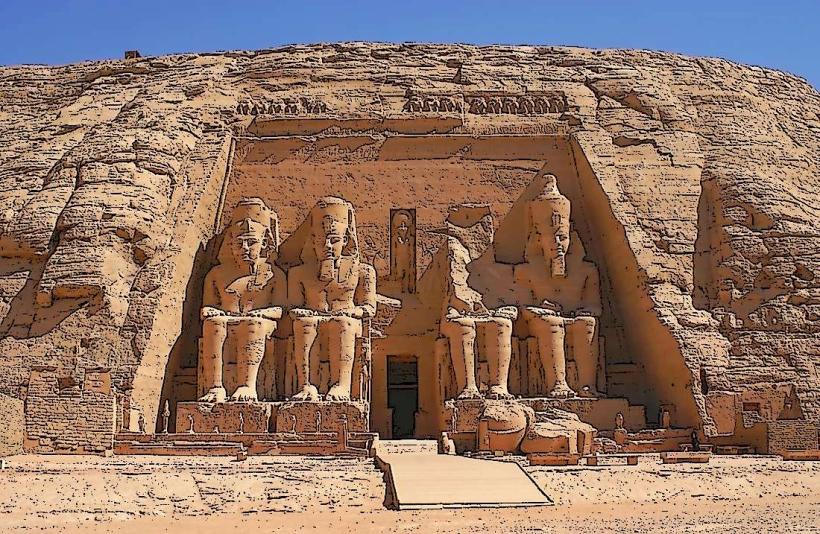
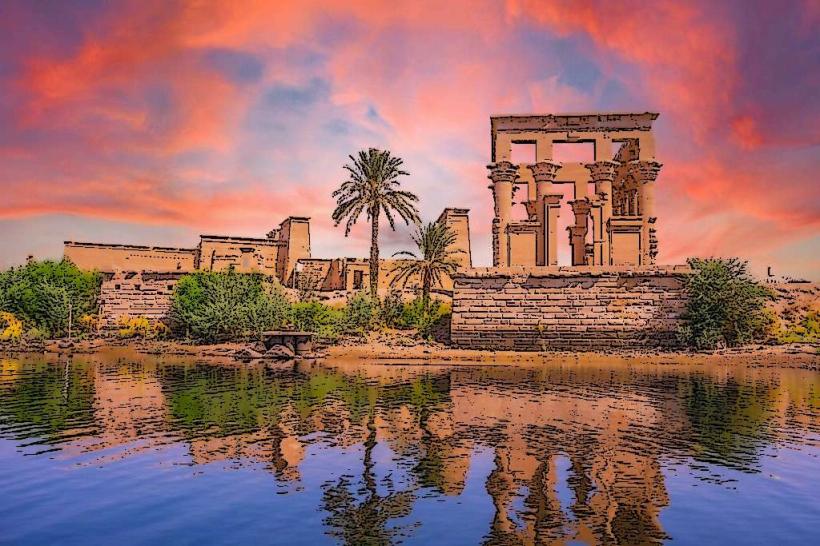
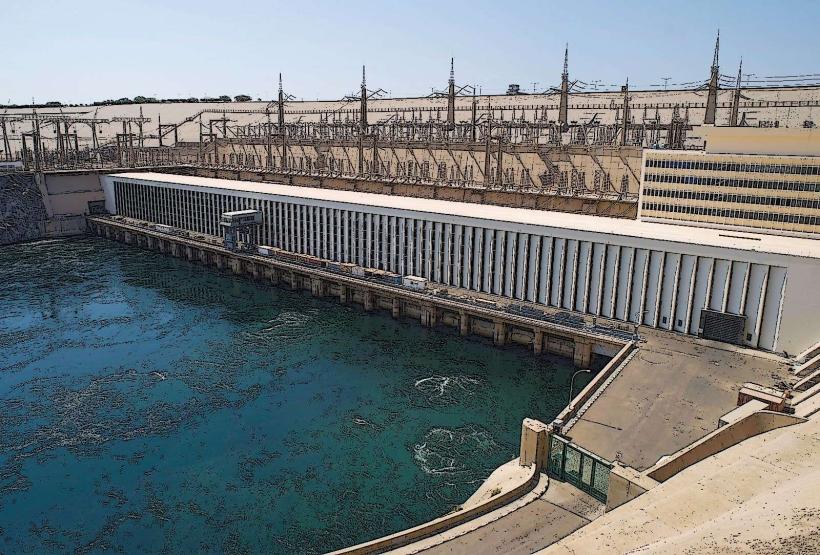
The Nubian Museum is located in Aswan, Egypt, and is dedicated to the culture, history, and archaeology of the Nubian people, who inhabit the region along the Nile in both southern Egypt and northern Sudan, on top of that the museum is an essential stop for those interested in learning about the rich and diverse heritage of Nubia, an ancient kingdom and culture that predates even ancient Egypt.Historical Context and Significance Nubia is a region that lies to the south of Egypt, traditionally associated with the Nubian Kingdoms that flourished for thousands of years, in addition ancient Nubians had their own distinct culture, language, and art, yet their history was intertwined with that of Egypt, as the two civilizations engaged in trade, warfare, and diplomacy for millennia.The Nubian Museum was established in 1997 to preserve and promote the cultural heritage of Nubia, especially in the wake of the creation of Lake Nasser and the construction of the Aswan High Dam, along with the dam caused the flooding of large parts of the Nubian homeland, displacing thousands of people and submerging critical archaeological sites, including ancient temples and towns, slightly One of the key missions of the museum is to safeguard and display the objects and knowledge from these submerged areas, likewise the museum also plays a role in raising awareness of the Nubian people’s enduring culture and history, which is often overshadowed by Egypt's more famous ancient heritage.Architecture and Design The museum’s architecture is modern and aesthetically pleasing, with elements that are reflective of both Nubian and Egyptian design, as a result the museum was designed by Egyptian architect Mahmoud El-Hakim, and its structure is open and airy, with well-lit galleries that allow for easy viewing of the exhibits.Courtyards and outdoor spaces provide lovely views of the surrounding landscape, including the Nile River, which is integral to both the Egyptian and Nubian cultures, at the same time the museum’s design also integrates traditional Nubian features, such as the use of domes and arches, which reflect Nubian architectural styles.Mind you, Collections and Exhibits The Nubian Museum houses over 3,000 artifacts, many of which are related to Nubia’s ancient past, its kingdoms, and the daily lives of its people, on top of that the museum’s exhibits are arranged in a series of galleries that provide a comprehensive overview of Nubian history, culture, and art, roughly 1, besides prehistoric Nubia The museum showcases early Nubian history, dating back to prehistoric times, to some extent Curiously, Artifacts from this period include stone tools, pottery, and other objects that illustrate the development of human life in the region long before the rise of the Pharaonic kingdoms of Egypt, while these early objects highlight the adaptation of the Nubian people to their environment, as well as their technological advancements in crafting tools, pottery, and jewelry.2, and nubian Kingdoms and the Pharaohs of Egypt Nubia’s long and complex history is displayed in several sections, focusing on the Kingdom of Kush, which was the most prominent of the ancient Nubian states.The Kushite Dynasty even ruled over Egypt as pharaohs for a period known as the 25th Dynasty, often referred to as the "Kushite Dynasty" or "Black Pharaohs." The museum features numerous artifacts from the Kushite Kingdom and other Nubian states, including statues, stelae, and funerary items from the ancient kingdoms of Ta-Seti, Nubia, and Kush, alternatively mummified remains from Nubian tombs are also exhibited, along with funerary masks and items related to death and burial practices.3, not only that nubian Art and Culture The museum houses a significant collection of Nubian art, including beautifully crafted jewelry, pottery, textiles, and sculptures.These artifacts reflect the Nubian people's distinctive artistic styles and their trade relationships with Egypt and other neighboring cultures, to boot pottery is an especially necessary part of Nubian art, and several pieces on display show the continuity of design across centuries, with intricate patterns that tell stories of daily life and religious practices, moderately 4, to boot archaeological Finds from the Flooded Nubian Region One of the most significant aspects of the Nubian Museum’s collection is its focus on the archaeological sites that were threatened by the rising waters of Lake Nasser due to the construction of the Aswan High Dam.Many ancient Nubian temples and monuments were moved to higher ground or relocated to other areas, such as the famous Abu Simbel Temples, which were relocated by an international campaign led by UNESCO, as well as the museum displays models and photographs documenting these efforts and provides detailed explanations of the temples, tombs, and monuments that were rescued from the floodwaters.Just so you know, This includes the Temple of Philae, the Temple of Kalabsha, and the Temple of Dendur, subsequently additionally, the museum offers a sense of the everyday life of the Nubian people before the flooding, with displays of household items, agricultural tools, and other objects that reveal how the people of the region lived, worked, and interacted with their environment.Actually, 5, on top of that nubian Heritage and the People Today The museum also explores modern Nubian culture, with exhibits dedicated to the traditions, music, and craftsmanship of the contemporary Nubian people, loosely Visitors can learn about the customs, social structures, and lifestyles of the Nubian communities living in southern Egypt and northern Sudan, equally important in addition, the museum serves as a center for the promotion of Nubian heritage, hosting events, educational programs, and cultural activities that help preserve and celebrate the living culture of the Nubian people.Educational and Cultural Role The Nubian Museum not only acts as a repository for historical artifacts but also plays an necessary educational role, therefore it provides lectures, workshops, and public programs that aim to raise awareness of the history and culture of Nubia, especially among younger generations and visitors from around the world.The museum is an essential institution for the preservation of Nubian culture and serves as a space for dialogue and cultural exchange, helping to foster an understanding of the rich history of the Nile Valley and its peoples, while visiting the Nubian Museum Location : The museum is located in Aswan, close to the Nile and near several other notable sites such as the Philae Temple and the Aswan High Dam, loosely Truthfully, Opening Hours : The museum is typically open daily, from around 9:00 AM to 5:00 PM, but the hours may vary depending on the season or special events, what’s more admission Fees : There is an entrance fee for visitors, and additional fees may apply for photography.The museum also offers guided tours to help explain the exhibits in greater detail, as a result conclusion The Nubian Museum is a vital institution that preserves and showcases the h
Author: Tourist Landmarks
Date: 2025-09-20